



Simple Guide To What Traction Control Does
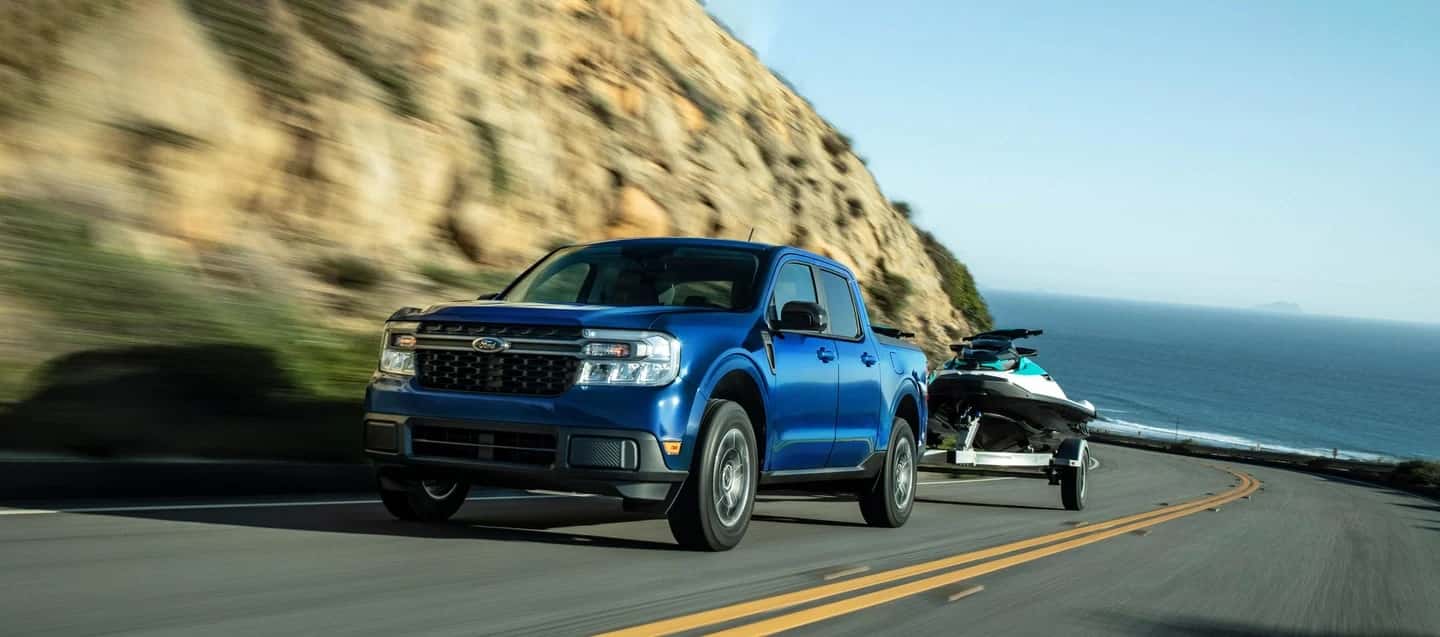
Photo Source/Copyright: FORD
What Traction Control Actually Does
Anyone who commutes during a sudden coastal downpour knows how quickly pavement turns slick. You step on the gas at a green light, your tires fight for grip, and an amber dash light flickers for a split second. If you have ever wondered what traction control does during that moment, the short answer is that it prevents your drive wheels from spinning out of control when they should be moving you forward.
Modern vehicles—including the F-150s, Explorers, and Broncos parked on our lot at Southern Ford in Newport News—rely on a traction control system (TCS) to govern wheel spin. It doesn’t give a vehicle magical grip on bald tires, nor does it steer for you. Instead, it serves as an electronic check between your gas pedal and the pavement.
How the System Manages Wheel Slip
Traction control uses the existing wheel-speed sensors tied into your anti-lock braking system (ABS). Under normal driving conditions, all four wheels rotate at comparable speeds. However, if one wheel hits a wet patch, greasy residue near an intersection, or loose gravel while you are accelerating, that tire spins noticeably faster than the rest.
The moment the computer catches that mismatch, it intervenes in two practical ways:
- Tapping the brake on the slipping tire: By applying hydraulic brake pressure to the loose wheel, resistance increases. This forces the mechanical differential to route power over to the opposite wheel that still has solid ground contact.
- Cutting throttle response: If both drive wheels break loose at once, applying the brakes alone will not solve the problem. The system will momentarily reduce engine torque—either by retarding ignition timing or limiting throttle body opening—until the tires regain adhesion.
That momentary hesitation or “bogging” sensation you feel when accelerating hard in the rain is simply the computer limiting wheel spin so your back end doesn’t swing out.
When to Keep It On (and the Rare Time to Turn It Off)
For routine commuting, leave traction control engaged. The system is designed to work in the background without needing driver input.
There is, however, one specific situation where turning it off makes sense: getting unstuck from deep mud, soft sand, or heavy snow. Because traction control deliberately cuts power when tires slip, it can actually prevent you from generating enough momentum to rock your car free. Pressing the TCS button allows the tires to spin freely, fling away loose surface material, and help you get moving. As soon as you hit firm ground, switch it back on.
Understanding what traction control does takes the mystery out of flashing dashboard icons and sudden throttle cuts on slick roads. If that traction warning icon stays lit continuously while driving, it typically signals a damaged wheel-speed sensor wire or a fault in the ABS module. If that happens, have a technicianrun a diagnostic scan to pinpoint the sensor before bad weather catches you off guard.
More From Southern Ford
How Ford History Changed American Driving Forever
Photo Credit: Ford Driving Through Time: How Ford History Lives On The Road to Everyday Transportation Driving around town, you’ll spot dozens of F-150s, Explorers, and Mustangs weaving through traffic. It’s easy to take these daily commutes for granted, but every time you turn the key in a blue-oval vehicle, you’re tapping into…
Heavy Duty Ford F-350 Handles Big Jobs
Photo Credit: Ford If you’ve spent any time hauling equipment around or pulling a camper down toward the coast, you know a standard half-ton truck eventually hits its limit. When your work calls for heavy payload or pulling large gooseneck trailers, stepping up to a Ford F-350 at Southern Ford Newport News gives…
Why Local Drivers Choose Ford Hybrids Today
Photo Source/Copyright: Ford Exploring Ford Hybrids Why Local Drivers Are Looking at Hybrid Options Between regular traffic on the highway and variable gas prices while driving, getting better fuel mileage is usually near the top of most car buyers’ wish lists. If you’re considering an upgrade, taking a close look at the latest…